
Duty Lock Professional Restraint Handcuffs - Silver Steel
13 sold in last 24 hours
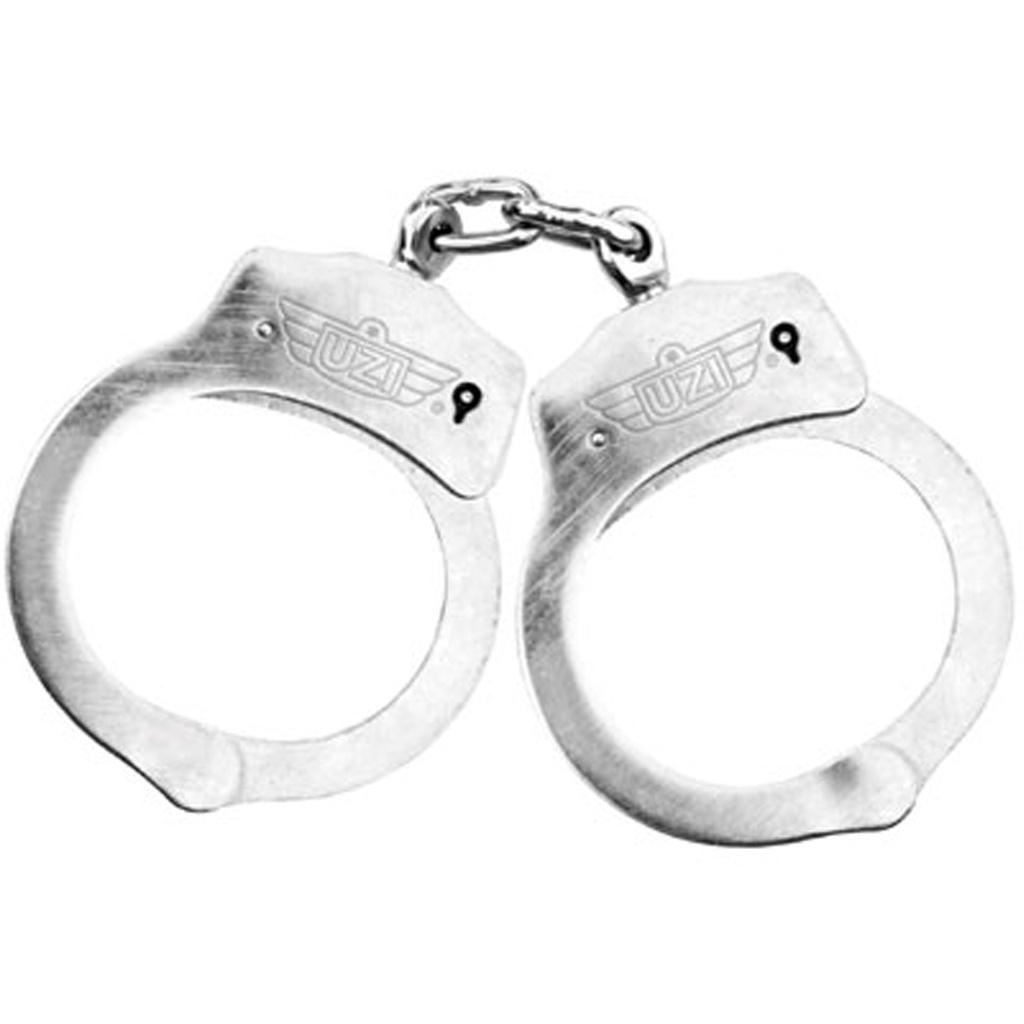
These Duty Lock Professional Restraint Handcuffs in silver steel are built for the same world your duty belt lives in—no gimmicks, just control. Heavier and thicker than economy restraints, they use full-size chain-link construction and a standard key lock for reliable, repeatable performance. For law enforcement, security, or serious tactical setups, they bring real-world strength and professional geometry you can trust when it matters.
Professional Restraint Gear That Matches Real Duty Standards
The Duty Lock Professional Restraint Handcuffs - Silver Steel are built for the same environment your sidearm, light, and radio work in: real shifts, real resistance, and no room for novelty gear. Where a lot of budget cuffs chase price and gimmicks, these stay brutally simple—thicker steel, heavier mass, and proven chain-link construction that holds up when the situation goes sideways.
Why These Professional Handcuffs Belong in a Serious Kit
Look at the geometry and you see why professionals trust this style. Each cuff body is cut from substantial steel, with a .375-inch thickness that immediately separates it from lighter, economy models. That extra material isn’t cosmetic—it changes how the cuffs handle torsion, prying, and impacts. At roughly 10 ounces overall, you get the weight that feels right on the belt and in the hand, mirroring the strength profile of name-brand law enforcement restraints.
The chain link construction is classic for a reason. It gives you just enough play to position a wrist under stress without fighting rigid hinges, while still keeping the subject controlled. For patrol, security, or training rigs, this is the configuration that works in the unpredictable, non-sterile world—door frames, vehicle extractions, ground fights, and tight hallways.
Built Stronger and Thicker for Real-World Restraint Use
Compared to economy-grade restraints, these professional handcuffs are thicker (.375 inches versus the .25-inch lightweight versions) and heavier (10 ounces versus around 8.6). That difference may sound small on paper; in hand, it’s obvious. Thicker bow profiles resist flexing and abuse better, which matters when someone decides to test your gear more aggressively than your last in-service inspection did.
The brushed silver finish isn’t about flash; it’s about corrosion resistance and visibility. Silver steel lets you visually verify lock engagement, pawl alignment, and wear patterns more easily than dark coatings. For instructors and FTOs running students through drills, that visual feedback is worth more than any cosmetic tint.
Chain-Link Construction: The Proven Control Standard
There are three dominant law enforcement cuff architectures: chain, hinge, and rigid. Each has its place. Chain cuffs, like this Duty Lock Professional set, hit the balance most departments prefer: enough movement to position hands behind the back quickly, but controlled enough to maintain leverage and control during transport. They’re also more forgiving under imperfect application angles—a reality on the street.
The central chain length gives you working room without turning into slack that subjects can exploit. It’s a layout informed by decades of patrol use, not theory.
Locking Mechanism: Standard Key Reliability
The locking mechanism uses a standard-style key interface and double-lock architecture, mirroring what officers and security professionals are already trained on. That means no exotic keys, no proprietary gimmicks—just a proven system that integrates cleanly with existing key rings and belt setups. Consistency matters when you’re unlocking under pressure, in bad light, or with gloved hands.
Professional Handcuffs with Real-World Tactical Credibility
Tactical gear either earns its place on the belt or it gets retired. These professional handcuffs are designed to survive that judgment. The steel bodies, riveted pivot points, and consistent ratchet action work together to deliver secure restraint without the soft spots you see in bargain-bin imports and costume-grade cuffs.
For collectors of law-enforcement and tactical equipment, the appeal is similar: this isn’t a toy. The branding, construction, and proportions align with serious-duty hardware, the kind you see on real belts, not in novelty catalogs. If your collection leans toward functional, real-world gear, these fit the theme perfectly.
Balance, Handling, and Duty Feel
The 10-ounce weight gives these handcuffs a reassuring heft without turning them into an anchor. That balance matters for quick, controlled application—too light and they feel flimsy and skittery, too heavy and they become clumsy under speed. Here, the weight bias is toward the cuff bodies, where it should be, helping them swing and set onto the wrist with predictable movement.
Finish and Wear Characteristics
The brushed silver steel finish wears honestly—scuffs and marks tell the story of use rather than hiding under paint. For instructors and collectors, that’s a plus: it’s easy to see high-contact areas, evaluate training wear, and spot any emerging mechanical issues. This is equipment you can inspect properly, maintain intelligently, and trust over time.
Legal and Policy Context: Restraint Gear vs. Weapons
Unlike an automatic knife, OTF, or switchblade—where blade deployment and local knife laws can complicate carry—professional handcuffs occupy a different legal lane. In most jurisdictions, handcuffs themselves are not prohibited items, but how and why you use them absolutely is. Law enforcement officers, licensed security personnel, and certain corrections roles are covered by agency policies and training guidelines; private citizens need to be clear on local statutes regarding impersonation of an officer, unlawful restraint, and related offenses.
Translated: owning a pair of professional handcuffs like these is usually legal, but using them outside a lawful context can create real legal problems. Treat them as the control tools they are—serious gear intended for trained, responsible users, not a party prop.
What Buyers Ask Before Purchasing an Automatic Knife
Are automatic knives legal?
On the federal level in the United States, automatic knives—whether side-opening autos or OTF (out-the-front) designs—are regulated by the Federal Switchblade Act, which primarily controls interstate commerce and importation. It does not outright ban ownership. The real complexity is at the state and sometimes city level: some states allow automatic knives for general carry, others restrict them to law enforcement or military, and a few still prohibit them. Before you buy an automatic knife for sale online, you need to check your specific state and local laws on possession, carry (open vs. concealed), blade length, and any occupational exemptions. Many serious buyers keep a copy of their state statutes bookmarked for exactly this reason.
What's the difference between an automatic knife, OTF, and a switchblade?
An automatic knife is any knife where the blade deploys via a spring or stored energy when you activate a button, lever, or similar control—no manual blade rotation needed after that initial trigger. A side-opening automatic swings the blade out from the side like a traditional folder, just powered by a spring. An OTF (out-the-front) is a specific subset of automatic knife where the blade travels linearly out the front of the handle; most OTFs enthusiasts talk about are double-action, meaning the same control both deploys and retracts the blade. "Switchblade" is the older, legalistic term often used in statutes to describe automatic knives in general, but among serious buyers, you’ll hear more precise language: automatic, OTF, side-opening, single-action, double-action. The distinctions matter when you compare action quality, safety, and maintenance.
What makes this automatic knife worth buying?
When you evaluate any automatic knife for sale, three things separate serious gear from tourist-grade: the action, the lockup, and the steel. A good auto snaps open with authority but doesn’t rattle; the deployment is consistent, not sometimes-lazy, sometimes-violent. Lockup should be solid with minimal blade play, both laterally and vertically. And the steel—whether it’s a well-done mid-grade like 154CM or a premium powder steel—should be heat-treated correctly to deliver real-world edge retention and toughness, not just spec-sheet bragging rights. Enthusiasts also look at how the handle geometry manages recoil from the spring, how accessible the firing button or slide is under stress, and how maintainable the mechanism is with regular cleaning and lubrication.
Why These Professional Handcuffs Earn a Place in Your Setup
If your gear philosophy is the same one serious automatic knife buyers apply to their blades—buy once, buy right, skip the gimmicks—these Duty Lock Professional Restraint Handcuffs - Silver Steel fit perfectly. They bring the same no-nonsense approach: thicker steel, proper mass, proven mechanism, and a finish that favors function over flash. Whether they’re going on a patrol belt, a security rig, or into a serious tactical and law enforcement collection, they represent exactly what experienced users respect: professional restraint gear built for real use, not costume play.