
Shadowline Gallery Tiered Sword Stand - Black Metal
12 sold in last 24 hours
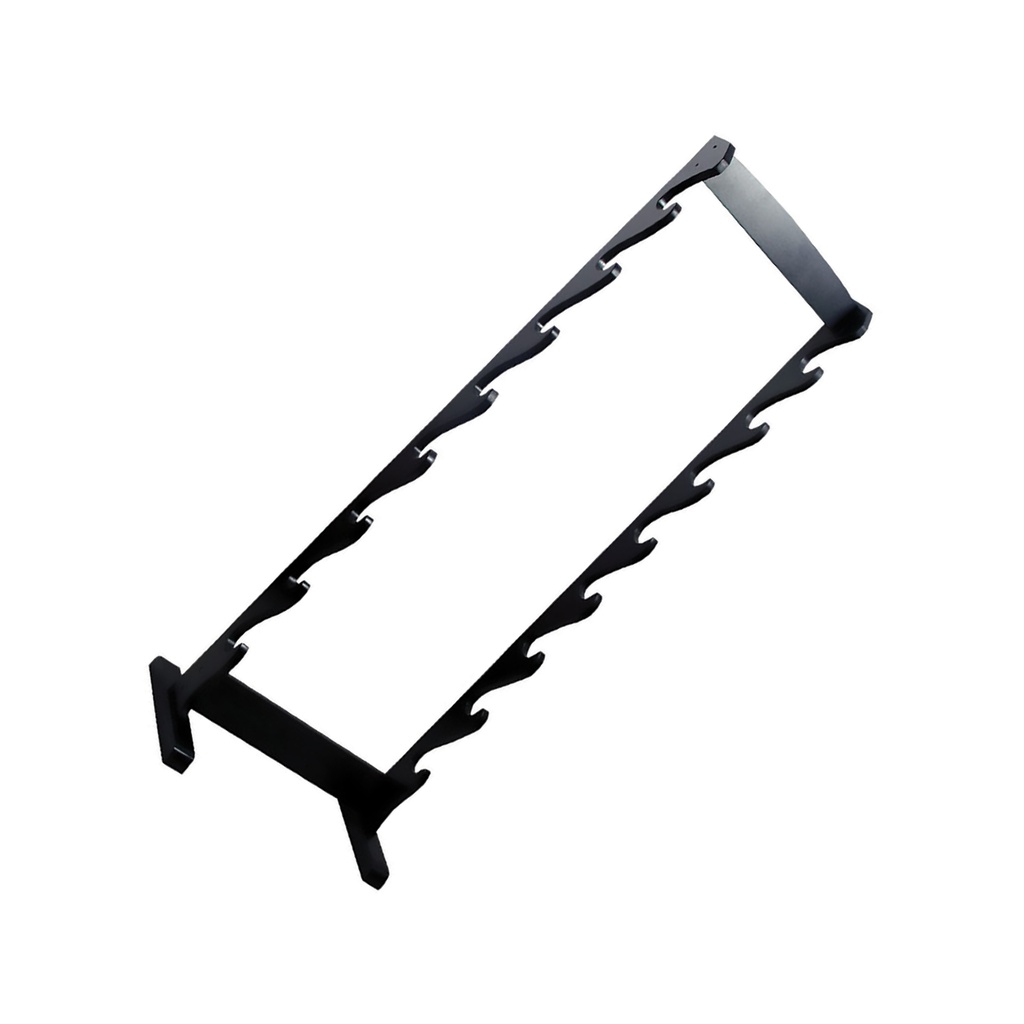
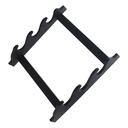
This isn’t a decorative afterthought—it’s a gallery-grade sword floor stand built for serious collections. The Shadowline Gallery Tiered Sword Stand organizes eight blades in a clean horizontal layout that keeps steel visible and handles accessible. The matte black metal frame disappears visually so the swords do the talking, while the freestanding base holds steady on showroom floors or in a dedicated collection room. If you treat display as part of the craft, this is how you put your blades on stage.
Shadowline Gallery Tiered Sword Stand – Built for Serious Steel
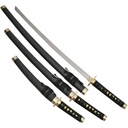
The Shadowline Gallery Tiered Sword Stand - Black Metal is what you buy when you stop treating display as an afterthought. This is a freestanding floor stand engineered to hold eight swords in clean, horizontal order—katana, wakizashi, or short sword—without stealing a single line of attention from the blades themselves.
Why This Sword Floor Stand Belongs in a Serious Collection
Collectors and shop owners know the truth: how you stage your blades changes how they’re read. A cluttered pile makes even good steel look like inventory. A proper gallery-style sword floor stand creates a narrative—eight slots, eight deliberate choices. Shadowline’s matte black metal frame is effectively visual negative space; the geometry is there for structure, not showboating.
The 8-tier layout runs horizontal, with each slot cut to cradle a blade securely while leaving the profile unobstructed. That means edge line, curvature, hamon, and fittings stay visible at a glance. The stand becomes a quiet frame around the work you care about.
Automatic Knife Buyers, Same Mindset – Control the Presentation
If you’re the kind of buyer who notices the difference between a lazy automatic action and a tuned, confident snap, you already understand why a purpose-built sword floor stand matters. Mechanism people care about systems, not just parts. A precise OTF or automatic knife deserves a holster or case that protects the action; a properly forged sword deserves a stand that respects its lines.
This Shadowline stand behaves the same way a good automatic knife clip does: secure without strangling, low-profile without being flimsy, and designed to disappear when the main event comes out. It’s the display equivalent of a well-engineered carry system—support without compromise.
Structural Details That Earn Collector Respect
Freestanding Floor Geometry That Actually Works
Plenty of sword stands look fine in a product photo and wobble the second you load real weight on them. Shadowline’s frame uses a wide, angled base that distributes weight along the floor instead of stacking it precariously straight up. Each leg kicks out just enough to keep eight full-length swords from feeling top-heavy, but not so far that it eats up floor space.
The cross-bracing keeps racking (side-to-side flex) under control, so when someone handles a blade from the top tier, the rest of the stand doesn’t shudder with it. In a store, that’s the difference between confident browsing and nervous glances. In a home collection, it’s peace of mind.
Eight Uniform Cradle Slots, One Clean Sightline
The Shadowline 8-tier gallery stand cuts each slot to a consistent, repeatable profile. The curved notches cradle the blade or saya without sharp angles that would pressure one point on the scabbard or steel. That consistency matters: a stand that pinches or bites into a saya corner will advertise its mistakes in your finish over time.
Because the stand is oriented for horizontal display, each sword runs parallel, building a visual rail of steel. For a retailer, that’s instant comparison shopping—customers can scan length, curvature, and fittings from left to right without shifting their stance. For a collector, it reads like a curated timeline of your taste.
Why Metal, Why Matte, and Why It’s the Right Call
Shadowline goes full black metal here for a reason. Wood looks traditional, but it also competes for attention with grain, stain, and ornament. This stand uses matte black steel with simple screw-fastened joints so it behaves more like gallery hardware than furniture. It fades back, taking reflections and glare with it.
Metal also shrugs off the realities of actual use—shop dust, the occasional bump from a scabbard, and long-term loading with eight real blades instead of display props. The joints are straightforward, not overdesigned: fewer failure points, easy tightening if you run it hard on a busy sales floor.
Flow, Access, and Real-World Use on the Floor
On a show floor or in a retail shop, this sword floor stand earns its footprint. The open-frame design lets light pass through so it doesn’t visually block the rest of the room. Customers can step in, read each blade, and pull one from the lineup without fighting a maze of uprights or decorative clutter.
In a personal collection, that same open structure keeps the room from feeling overbuilt. You can place the stand along a wall, at the end of a display row, or as a central island without turning it into a visual barricade. The top rail stays clean and linear, making dusting and maintenance as simple as it should be.
Assembly and Stability: Simple, Honest Engineering
This isn’t a puzzle box. Shadowline built the 8-tier gallery sword stand for quick assembly with obvious connection points and screw-fastened joints. You don’t need a shop full of tools—just the willingness to tighten hardware properly and take five minutes to do it right.
Once it’s up, the stability comes from the footprint, not gimmicks. There are no hidden springs, clamps, or adjustable gimmicks to fail. Load it, test it, and you’ll feel how the weight of the swords settles low into the base instead of teetering overhead.
What Buyers Ask Before Purchasing an Automatic Knife
If you’re here, you probably buy more than just swords. Automatic knives, OTFs, and modern folders tend to live in the same collections as long blades. So let’s answer the questions that come up every time someone starts shopping for an automatic knife for sale, because the mindset that values a good sword floor stand is the same mindset that won’t tolerate sloppy information.
Are automatic knives legal?
In the United States, automatic knives sit under a mix of federal and state rules. Federally, the Switchblade Knife Act restricts interstate commerce of automatic knives (including most side-opening automatics and OTF switchblades) but carves out exceptions for military, law enforcement, and certain uses. Day-to-day, what matters more is state and local law: some states allow automatic knives to be bought, owned, and carried with few restrictions; others allow possession at home but limit carry; a handful still ban them outright.
If you’re looking for an automatic knife for sale, you need to check your own state and municipal codes before you buy or carry. Pay attention to blade length limits, opening mechanism definitions, and any special carve-outs for law enforcement, first responders, or active-duty military. Laws change—always verify current regulations instead of relying on hearsay.
What’s the difference between an automatic knife, OTF, and a switchblade?
Mechanically, an automatic knife is any knife where the blade deploys from a closed position by pressing a button, switch, or similar actuator, and the blade is driven open by an internal spring. A classic side-opening automatic swings the blade out from the side like a conventional folder, but under spring power.
OTF—out-the-front—refers specifically to the blade travel path. An OTF automatic knife drives the blade straight forward out of the handle. Most enthusiast OTFs are double-action: the same slide or actuator both extends and retracts the blade under spring tension. Single-action OTFs are spring-driven one way and manually reset.
“Switchblade” is the legacy legal and cultural term that usually wraps all these mechanisms together—side-opening automatics and OTF designs both. Collectors and makers usually say automatic or OTF to be precise. Legislators tend to say switchblade when writing restrictions.
What makes an automatic knife worth buying?
A good automatic knife separates itself in three areas: action, lockup, and build. The action should be confident and repeatable—no lazy launches, no misfires, no grinding on the way out. Lockup should land solidly with minimal blade play, and the lock interface should show clean machining rather than rough engagement.
Blade steel matters the same way it does on a sword: you want a steel with a heat treat that makes sense for its role—edge retention, toughness, and corrosion resistance balanced for real-world carry. Hardware and fit and finish matter too: a precise automatic doesn’t rattle, doesn’t walk its screws loose after a week in the pocket, and carries on a clip that actually supports the weight and size of the knife.
Where This Stand Fits in a Mechanically Obsessed Collection
If you care enough to argue about double-action versus single-action OTF in the parking lot after a show, you already know why this Shadowline stand makes sense. It’s the same philosophy: hardware that serves the piece, not the other way around. No ornate dragons, no carved clutter—just a solid gallery sword floor stand that lets your blades speak for themselves.
Whether you’re lining up production katana, custom short swords, or a mix of historical and modern pieces, this eight-slot, black metal sword floor stand gives them the same kind of respect you demand from a well-built automatic knife. Clean lines, stable base, honest engineering—and a display that finally matches the quality of what you collect.