Silent Convoy Dual-Carbine Rifle Case - Gray
7 sold in last 24 hours
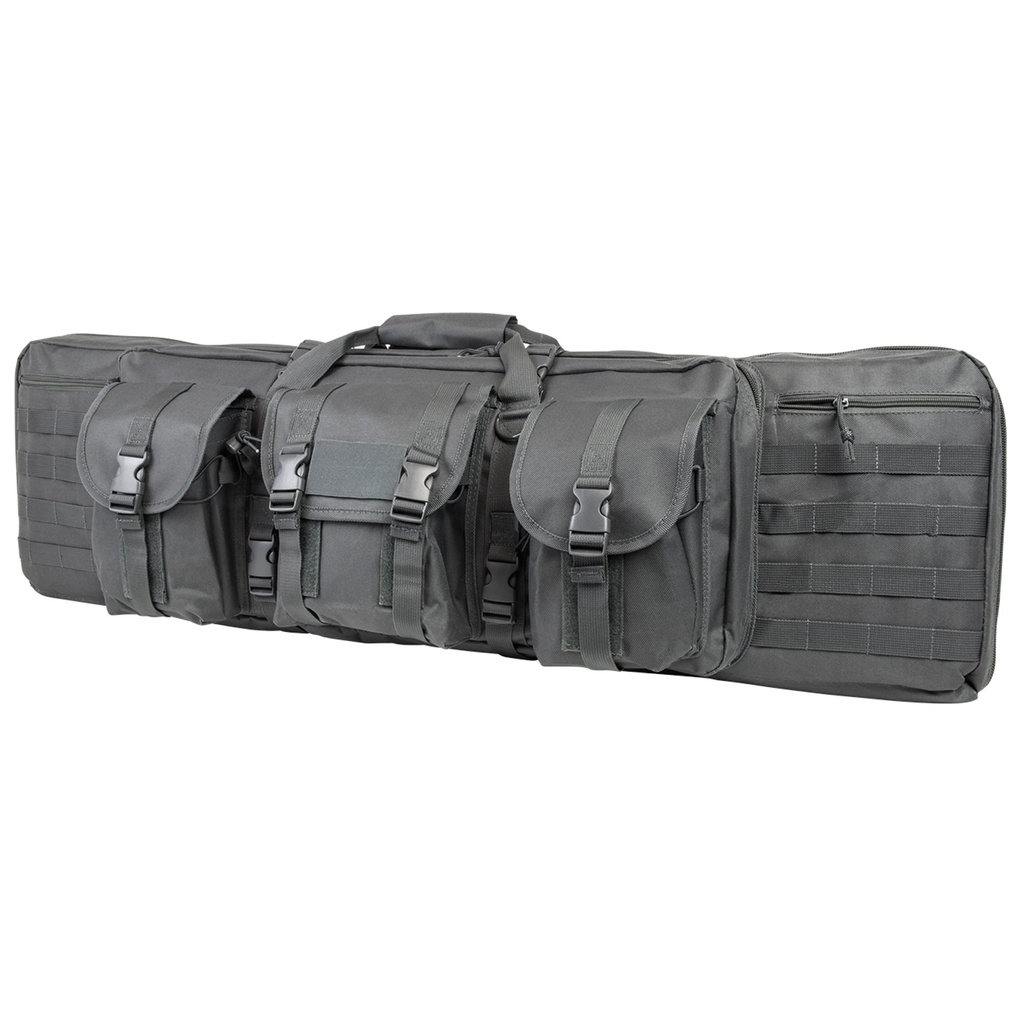
This isn’t a guitar case pretending to be a rifle bag. The Silent Convoy Dual-Carbine Rifle Case in gray is a purpose-built 42 inch soft rifle case that locks down two 41 inch carbines behind a padded divider and hook-and-loop straps. Three exterior mag pockets, a secondary compartment for optics and handguns, and MOLLE-style webbing keep range gear sorted instead of rattling loose. For shooters who actually run their rifles, this case turns transport into one clean, controlled loadout.
Silent Convoy Dual-Carbine Rifle Case - Gray
The Range Convoy concept is simple: two rifles, one mission, zero chaos. The Silent Convoy Dual-Carbine Rifle Case in gray is a 42 inch tactical soft rifle case built for shooters who treat their range days like work, not a picnic. It’s sized for two 41 inch carbines, padded where it needs to be, and laid out so mags, optics, and handguns aren’t fighting for the same pocket.
Why This Rifle Case Exists in a World of Cheap Gun Bags
Most rifle "bags" are oversized sleeves with zippers. They transport a gun, technically, but they don’t manage a loadout. The Silent Convoy is a dual-rifle case designed around the way real shooters move: carbines, mags, sidearm, tools, optics—one organized package you can grab with one hand and go.
The low-profile gray PVC shell keeps the tactical DNA without shouting about it. It looks professional, not theatrical. Reinforced stitching at the webbing and stress points means the weight of two carbines and loaded mags won’t tear the case at the first hard grab off the truck bed.
Interior Layout: Two Carbines, One Controlled Environment
Inside, this 42 inch soft rifle case is built to move a pair of working rifles, not safe queens:
- Dual-rifle main compartment: Sized for two carbines up to 41 inches, so your standard AR-pattern rifles, PCCs, and similar platforms fit without forcing the zippers.
- Padded divider: A full-length, padded interior divider keeps the two rifles from clashing optics-on-rail in transit. It’s the difference between arriving zeroed and arriving annoyed.
- Hook-and-loop retention straps: Adjustable straps lock each rifle to the panel, cutting down on internal movement—no more banging around every time you take a corner too fast.
This is the soft case you use when you actually care how your carbines ride between house, truck, and range.
Exterior Storage That Respects How Shooters Load Out
The outside of this double-carbine rifle case is laid out like someone who has done more than one rushed range day:
- Three front mag pockets: Structured pouches with flap-and-buckle closures stage rifle mags or similar-sized gear. They’re sized for real-world use, not an afterthought slapped on for looks.
- Secondary zip compartment: A full-width secondary compartment runs behind the mag pockets—ideal for a handgun, ear pro, compact tools, or a boxed optic. It keeps sensitive gear away from loose mags and steel edges.
- MOLLE-style webbing: Multiple rows of webbing on the outer panels let you bolt on extra pouches, med gear, or a dump pocket. This is range loadout, modular by design.
Add in the compression/retention straps spanning the exterior and you get a case that cinches tight when fully loaded instead of ballooning out and dragging seams to failure.
Carry and Construction: Built for Real Range Use
The case is constructed from tough PVC-based fabric with a tactical nylon feel—abrasion-resistant, stiff enough to hold shape, and forgiving enough to absorb the usual abuse of trucks, gravel, and bench edges. Soft padding throughout creates a semi-rigid profile that protects without turning this into a foam brick.
The padded top carry handles with a hook-and-loop wrap let you grab the whole load quickly without thin straps biting into your hand. Dual zippers on the main compartments give you flexible access from either side, and the buckle-strap pockets keep front storage closed even when overstuffed.
Choosing the Right Double Rifle Case for Sale
When you’re looking for a dual-rifle case for sale, the details decide whether it earns a permanent place in your kit or ends up in the garage. This Silent Convoy design focuses on three things shooters actually care about:
Protection Without Wasted Bulk
Padding is placed where it matters—along the body of the rifles, between them, and at the outer panels. The soft rifle case remains slim enough to stack in a truck or safe, but robust enough to buffer optics and rail-mounted accessories from routine knocks.
Organization That Survives Real Use
The triple mag pockets and secondary compartment mean you can standardize your range load. One case, same layout every time. Carbines, primary mags, sidearm, and essential tools all live in one predictable pattern, so you’re not playing pocket roulette on the firing line.
Legal and Practical Realities of Transporting Rifles
This isn’t a lockable hard case intended to satisfy every transport statute on its own. It’s a tactical soft case designed for organized, padded carry of two carbines and their support gear. In many jurisdictions, transporting unloaded rifles in a closed soft case like this is standard practice, but local laws differ.
If you’re crossing state lines or relying on a case to meet specific transport requirements, verify your local and state regulations. Some regions require separate locked storage for firearms and ammunition; others simply require firearms to be unloaded and cased. This dual-rifle case handles the “cased and controlled” part extremely well—locks and legal compliance are on you.
What Buyers Ask Before Purchasing an Automatic Knife
Are automatic knives legal?
Under U.S. federal law, automatic knives (often called switchblades in statutes) are restricted mainly in interstate commerce, military, and government contexts. For everyday buyers, legality is decided at the state—and often city—level. Some states allow automatic knives with few limitations; others restrict blade length, carry method, or who can own them; a handful still prohibit them outright. Before you buy or carry any automatic knife, check current laws for your state and municipality, and understand that “legal to own” and “legal to carry” are not always the same.
What’s the difference between an automatic knife, OTF, and a switchblade?
Mechanically, an automatic knife is any knife where the blade opens from a closed position by pressing a button, switch, or lever in the handle, powered by an internal spring. A switchblade is the older legal term used in most statutes—it generally refers to the same class of automatic knives. An OTF (out-the-front) knife is a specific style of automatic where the blade deploys straight out the front of the handle, rather than pivoting from the side like a classic side-opening automatic. Many OTF knives are double action, meaning the same control both deploys and retracts the blade using spring tension and tracks.
What makes this automatic knife worth buying?
Collectors look for three things in an automatic knife: a reliable, repeatable action; steel that balances edge retention with sharpenability; and build quality that keeps lockup solid after hundreds of cycles. A well-tuned automatic knife doesn’t just open fast—it opens with authority and minimal lateral play, using a coil or leaf spring system that doesn’t fatigue quickly. Pair that with proven blade steels and machining that keeps tolerances tight, and you get an automatic that earns a place in your daily rotation instead of just your display case.
For the Shooter Who Treats Gear Like Tools, Not Props
If you’re the kind of buyer who can tell the difference between a throwaway range bag and a thoughtfully built dual-rifle case, the Silent Convoy will make sense the first time you load it. Two carbines locked down, mags staged, optics and handguns separated but close, everything riding in a subdued gray soft rifle case that looks like it belongs with serious kit. It’s the same mindset that chooses a well-built automatic knife for EDC: the right tool, set up the right way, ready every time you grab it.