

Top-Secret Archive Ordnance Reference Manual - Black Cover
10 sold in last 24 hours
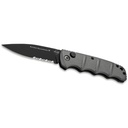
Automatic knife for sale crowd or not, you’ll recognize this for what it is: a serious archival reference dressed like a recovered dossier. The Top-Secret Archive Ordnance Reference Manual – Black Cover preserves the original improvised munitions material with over 100 photos and diagrams, reprinted as a historical study text, not a how‑to. It’s built for research shelves, not workbenches—ideal for collectors who respect technical manuals, military history, and the line between lawful study and misuse.
Why a Serious Automatic Knife Buyer Cares About This "Top-Secret" Manual
If you collect automatic knives, OTFs, or classic switchblades, you already know: mechanics don’t live in a vacuum. They come out of an ecosystem of engineers, armorers, and ordnance people who test hardware in the real world. The Top-Secret Archive Ordnance Reference Manual – Black Cover sits in that world. It’s not a toy, and it’s not cosplay. It’s an archival reprint of a notorious improvised munitions manual, formatted like a recovered black‑file dossier, for historical study—not for workshop experimentation.
Just like choosing the right automatic knife for sale means looking past the marketing and into the mechanism, choosing a book like this is about understanding what it is, what it isn’t, and why it belongs on a serious collector’s shelf.
Archival Reference for the Same Mindset That Buys an Automatic Knife for Sale
Anyone can buy a flashy switchblade and call it a day. Enthusiasts don’t. They ask who made it, what spring system it uses, what steel is in the blade, and how the lockup feels under load. That same mindset applies here.
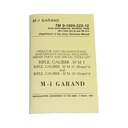
This manual is a faithful archival reprint of a Frankford Arsenal–style improvised munitions reference: over 100 photos and diagrams, technical descriptions, and that institutional, no‑nonsense layout you recognize from real government manuals. The black cover, bold stencil titling, and green TOP SECRET band are more than a gimmick—they accurately echo the visual language of classified ordnance files.
If your shelves already hold books on automatic knife mechanisms, OTF deployment designs, and historical switchblade patterns, this belongs right next to them: a context piece from the same universe of practical engineering and hard consequences.
Inside the Top-Secret Archive: What This Manual Actually Is
Strip away the taboo reputation and you’re left with what matters: data. This is an archival reference capturing historical improvised munitions concepts, preserved so modern readers can study the past with clear eyes. It’s framed for responsible, lawful study only—history, not instruction.
Technical Layout That Feels Like an Armorer’s Bench
Over 100 photos and diagrams break down devices, components, and arrangements the way a good exploded view diagram breaks down an automatic knife’s internals. It’s procedural, methodical, and visually dense. The focus is on how things were designed and understood at the time, not on glorifying them.
Archival Reprint vs. Workshop Manual
This is where the distinction matters. Think of it like an original catalog of early automatic knife patents: you buy it to understand history and mechanism evolution, not to grind your next blade off the page. Likewise, this black book is positioned as an archival reprint for research libraries, collectors, instructors, and serious students of military history who respect the material and the law.
Legal and Ethical Context: Handle the Information Like You Handle an Automatic Knife
Owning an automatic knife, OTF, or even a classic switchblade demands you understand your local laws. Same principle here. This book is legal to buy and own in most jurisdictions as a printed historical reference. It contains information, not parts. But what you do with that information is on you—and that’s the hard line.
Just as responsible automatic knife carriers learn where an automatic knife is legal to carry, responsible readers of improvised munitions history stay on the right side of the law: no construction, no experimentation, no intent to cause harm. Treat this like you’d treat a high‑end double‑action automatic knife for sale in a strict state—admire the engineering, know the boundaries, stay lawful.
Why This Belongs Next to Your Automatic, OTF, and Switchblade References
Collectors don’t just stack blades; they build context. A serious automatic knife collection is usually backed by a shelf of steel references, mechanism breakdowns, and historical catalogs. This Top-Secret Archive Ordnance Reference Manual earns its space by filling in the background of the broader weapons and ordnance ecosystem.
A Conversation Piece With Real Substance
The black cover and green TOP SECRET band make this a guaranteed conversation starter in any office, shop, or showroom. But when someone picks it up, they don’t find empty theatrics. They find a dense archival text that reads like a recovered file—photographs, line diagrams, and technical writing straight out of the era when ordnance labs were solving brutal problems with slide rules and steel.
Retailers see this move on two levers: curiosity and authority. Enthusiasts recognize the visual language immediately—this looks like something you were never supposed to see. Collectors recognize the archival pitch and the emphasis on lawful, historical use. Put it near your automatic knives for sale, and you’ll watch knife guys pick it up and keep reading.
What Buyers Ask Before Purchasing an Automatic Knife
Are automatic knives legal?
Under U.S. federal law, automatic knives (including many OTFs and switchblades) are regulated mainly in interstate commerce, not simple possession. Federal restrictions focus on importing, mailing, and shipping across state lines. Individual states—and sometimes cities—set their own rules on owning, carrying, selling, and concealing an automatic knife. Some states allow autos for everyday carry, others restrict blade length or limit carry to law enforcement or military, and a few are still highly restrictive.
The correct move is simple: check your specific state and local laws before you buy or carry. Enthusiasts who stay informed keep both their gear and their record clean.
What’s the difference between an automatic knife, OTF, and a switchblade?
Mechanically, an automatic knife is any knife whose blade is deployed by a spring or stored energy when you hit a button, switch, or lever—no manual wrist flick required. The spring does the work once you deliberately actuate the release.
An OTF (out‑the‑front) automatic is a subtype where the blade travels linearly out of the front of the handle. Many modern OTFs are double‑action autos—you push the switch forward to fire the blade and pull it back to retract, using an internal spring system for both directions.
A switchblade is the older, popular term—legally used in some statutes—for side‑opening automatic knives. Press a button or scale‑mounted release, and the blade swings out from the side on a pivot, driven by a coil or leaf spring. In enthusiast language, all OTFs and many side‑openers are automatic knives, but not all autos are OTFs.
What makes this automatic knife worth buying?
Translate that question to this manual and the logic still holds: what makes it worth shelf space?
- Authentic archival feel: The black cover, dossier styling, and green TOP SECRET band give it the same presence a well‑made OTF has when you deploy it at the table—instant attention, no gimmick.
- Technical density: Over 100 photos and diagrams deliver the kind of mechanical clarity knife collectors demand when they study lock geometry, spring design, or steel treatment.
- Historical value: It preserves a controversial slice of ordnance history in print, framed firmly as a reference for study, not a field manual.
- Collector credibility: This isn’t a fan‑fic knockoff; it reads like it came off a government press—dry, methodical, and deadly serious.
- Ethical framing: The positioning is clear: archival, lawful, and respect‑driven. The same way a reputable dealer presents a double‑action automatic knife for sale with a clear legal and use‑case context.
For the Enthusiast Whose Shelf Matches Their Automatic Knife Drawer
If your idea of a good evening is tuning the action on a new automatic knife, comparing OTF deployment speeds, or arguing about steel heat‑treats, this Top-Secret Archive Ordnance Reference Manual – Black Cover is your kind of book. It respects you enough not to sensationalize the subject. It presents the material like an armorer or engineer would: clearly, technically, and without melodrama.
When you buy an automatic knife for sale from a serious dealer, you’re not just buying a blade—you’re buying the confidence that the person on the other side of the counter understands the mechanics, the history, and the law. This manual earns a place on that same shelf of respect. Handle it the way you handle your best autos: with curiosity, discipline, and a clear understanding of where the line is.